Featured
Table of Contents
That maximizes cash in the short-term, and you may have three to four years to save towards the settlement amount. Really damaging to debt ratings, primarily due to missed repayments and a negative "resolved" mark that can stay on your credit score record for as much as 7 yearsMay be just option if various other options (financial debt loan consolidation, equilibrium transfer charge card, financial obligation forgiveness) aren't possibleTypically requires a cost to the 3rd party, which could counter some or all of the financial savings from financial obligation settlementMay assist you stay clear of insolvency if you've missed out on numerous paymentsNot all financial institutions deal with financial debt negotiation firms Debt forgiveness may be appropriate for you if you are experiencing a monetary hardship that makes it almost impossible to pay for your financial debt balances.
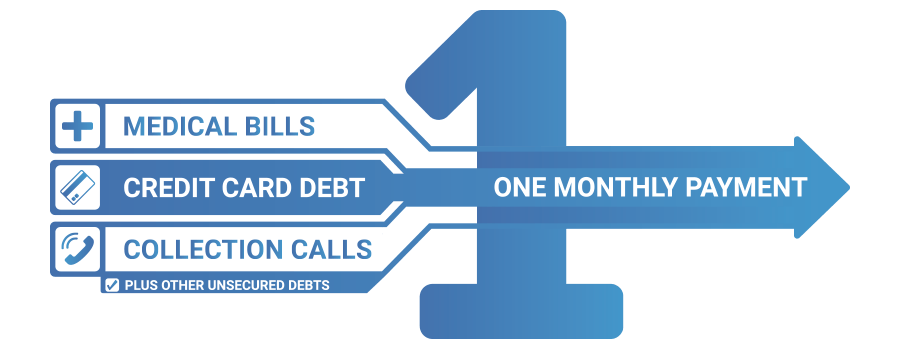
With a DMP, you make one regular monthly repayment to the credit therapy firm. Those funds are then dispersed to lenders of your unsecured financial debts, such as charge card and installment loans. The firm functions with your financial institutions to reduce rates of interest or waive fees, however some financial institutions might reject such giving ins.
A financial debt loan consolidation finance combines your qualified financial obligations into one new finance. It can assist you pay down financial obligation if you have the ability to protect a loan price that's less than the ordinary rate of the accounts you're settling. You should avoid from racking up debt on those newly gotten rid of accounts or your debt can expand even higher.
:max_bytes(150000):strip_icc()/DebtRelief-BestDebtReliefCompaniesImage-65c32a5716014aeca3a4e55477cb8130.png)
That gives you lots of time to remove or significantly reduce your equilibrium while making interest-free settlements.
How Consumer Protections Under Bankruptcy Law can Save You Time, Stress, and Money.
You may need it if your lender or a collection company ever before tries to collect on the financial obligation in the future. When a lending institution forgives $600 or even more, they are needed to send you Form 1099-C.
Financial obligation forgiveness or settlement generally injures your credit report. Anytime you resolve a financial obligation for much less than you owe, it may show up as "settled" on your credit scores report and influence your credit scores score for seven years from the day of negotiation. Your credit report can additionally drop considerably in the months causing the forgiveness if you fall back on payments.
The Basic Principles Of Understanding Multiple Relief Programs You Need to Know About
This situation often results from underreporting revenue, not submitting returns on time, or inconsistencies located during an Internal revenue service audit. The effects of accumulating tax financial debt are major and can consist of tax liens, which provide the IRS a legal insurance claim to your residential property as protection for the financial obligation.
Earnings and Financial institution Accounts Internal revenue service can levy (take) earnings and financial institution accounts to please the financial debt. Residential property Seizure In severe cases, the IRS can take and market residential or commercial property to cover the financial obligation.
Anxiety, anxiousness, and various other mental health and wellness concerns. Social Preconception Dealing with lawful action from the IRS can bring social stigma. Damage to reputation and relationships. Work Opportunities A bad credit report because of tire financial obligation can restrict employment possibility. Problem finding or maintaining a work. Federal government Benefits Tax obligation financial debt might influence qualification for government benefits, such as Social Security and Medicaid.
Some Known Details About Comparing Bankruptcy Counseling Organizations to Select the Ideal Match
The OIC thinks about several aspects, including the taxpayer's revenue, expenditures, asset equity, and capability to pay. Effectively working out an OIC can be complex, requiring an extensive understanding of the IRS's standards and a solid debate for why your offer lines up with your capacity to pay. It is essential to note that not all applications are accepted, and the procedure calls for thorough economic disclosure.
The IRS evaluates your general monetary scenario, including your income, costs, asset equity, and capacity to pay. You need to also be present with all declaring and payment demands and not be in an open bankruptcy proceeding. The internal revenue service additionally considers your compliance background, examining whether you have a record of timely filing and paying tax obligations in previous years.
How APFSC Differ in the Industry for Beginners
The application process for an Offer in Compromise entails several in-depth steps. Initially, you should complete and send internal revenue service Type 656, the Offer in Concession application, and Kind 433-A (OIC), a collection info declaration for people. These kinds need extensive economic information, consisting of information concerning your earnings, financial obligations, expenses, and assets.
Back tax obligations, which are unsettled taxes from previous years, can considerably enhance your total IRS debt otherwise resolved promptly. This debt can accumulate interest and late repayment fines, making the original quantity owed a lot bigger over time. Failure to pay back taxes can lead to the IRS taking enforcement activities, such as providing a tax obligation lien or levy versus your building.
It is necessary to attend to back taxes as soon as feasible, either by paying the sum total owed or by organizing a layaway plan with the IRS. By taking aggressive actions, you can prevent the build-up of added passion and fines, and prevent a lot more hostile collection actions by the internal revenue service.
One typical reason is the idea that the taxpayer can pay the complete quantity either as a lump sum or with a layaway plan. The internal revenue service also considers the taxpayer's income, costs, asset equity, and future earning possibility. If these aspects suggest that the taxpayer can pay for to pay greater than the used quantity, the IRS is most likely to turn down the offer.
6 Simple Techniques For "How Housing Counselors Work with Legal Aid When You’re at Risk of Eviction Is Shameful" and Other Myths
Dealing with IRS debt can be intricate and daunting. Tax obligation experts, such as Certified public accountants, tax lawyers, or signed up representatives, can provide very useful assistance.

Table of Contents
Latest Posts
8 Easy Facts About Understanding Your Avoid Spending Money You Don’t Have This Holiday Season : APFSC Options and Qualifications Explained
The 8-Minute Rule for "Debt Forgiveness Wrecks Your Credit" and Other Falsehoods
The Facts About How to Not Fall Into Additional Debt Problems After Your Fresh Start Uncovered
More
Latest Posts
The 8-Minute Rule for "Debt Forgiveness Wrecks Your Credit" and Other Falsehoods
The Facts About How to Not Fall Into Additional Debt Problems After Your Fresh Start Uncovered